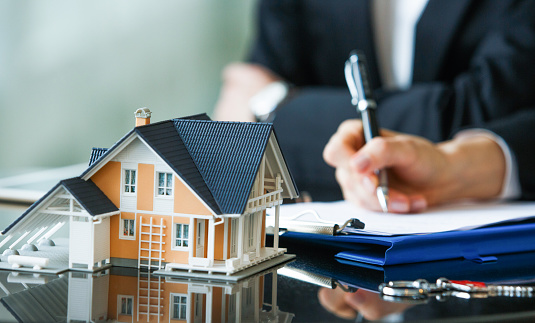
A construction mortgage requires a much larger down payment than a standard mortgage. Other loan programs may require a smaller amount. Other requirements include a contract with a licensed general contractor, complete plans, and proof of builder's risk insurance or other insurance coverage. To apply for a construction mortgage, you will need to have a statement prepared by your contractor detailing all of the work you've completed so far, how much you've paid, and how much is left to pay.
A construction mortgage is a short-term loan that lasts anywhere from six months to two years. This gives your contractor time to complete construction and move in. Lenders require a realistic budget and a timeline to determine whether the borrower's plans are realistic. They may also require a down payment as well. Before you apply for a construction mortgage, it's essential to discuss your project's cost and timetable with your lender.
Once you apply for financing home builds, your lender will begin the construction process. They will disburse lump sums to contractors to keep the work moving along. A typical construction mortgage has five to seven draws, but a complex project can require many more. The lender will also conduct an inspection to determine the cost of the project and if the builder's work is up to code. When the project is finished, the lender will pay back the loans minus any financing costs.
In addition to a construction mortgage, you'll need a down payment. This amount will depend on the cost of the construction project, the land you're buying, and how you intend to use the funds. A substantial down payment is a requirement for lenders because it shows you're investing in the project and aren't going to disappear in the process. The lender may ask you for personal and business credit history to verify your personal financial status. Get reverse mortgage information today!
A stand-alone construction mortgage requires two separate loan closings. A construction-to-permanent construction mortgage begins as a construction loan and transforms into a permanent mortgage upon completion of the building. Some borrowers prefer a two-closing transaction because it gives them more flexibility and time to shop for mortgage rates. A stand-alone construction mortgage may be more expensive, but it can also save you money. If you choose to convert a construction mortgage to a permanent one, be prepared to pay a slightly higher rate than you would for a permanent mortgage loan.
A construction-to-permanent loan is the best option if you want flexibility while building. A construction-to-permanent loan can save you time, money, and frustration. It is a risky investment and requires more collateral than a traditional home purchase loan. The interest rate will likely be higher than a standard home purchase loan, but you'll be less likely to lose your investment. It's important to research all of the options available to you. Get more facts about mortgage at http://kids.britannica.com/kids/article/mortgage/53844;jsessionid=A22C956EDE6D53EFA4738FB4A74BE1C9/related#nodeId=main&page=1.